Purchasing a casino is a complex and multifaceted investment that involves various financial considerations. This case study aims to explore the costs associated with buying a casino, taking into account factors such as location, size, operational expenses, regulatory requirements, and market conditions.
1. Initial Purchase Price
The initial purchase price of a casino can vary dramatically based on its size, location, and revenue potential. For instance, a small casino in a less populated area might cost around $1 million to $5 million, while a larger, more prominent casino in a major city could range from $20 million to over $500 million. In Las Vegas, for example, iconic establishments can command prices in the hundreds of millions due to their established brand and customer base.
2. Licensing and Regulatory Fees
Before acquiring a casino, potential buyers must navigate a complex regulatory landscape. Each state has its own gaming commission that imposes licensing fees, which can range from $100,000 to several million dollars, depending on the jurisdiction and the type of gaming operations involved. Additionally, buyers may need to demonstrate financial stability and a clean legal record, which can incur further costs in legal and consulting fees.
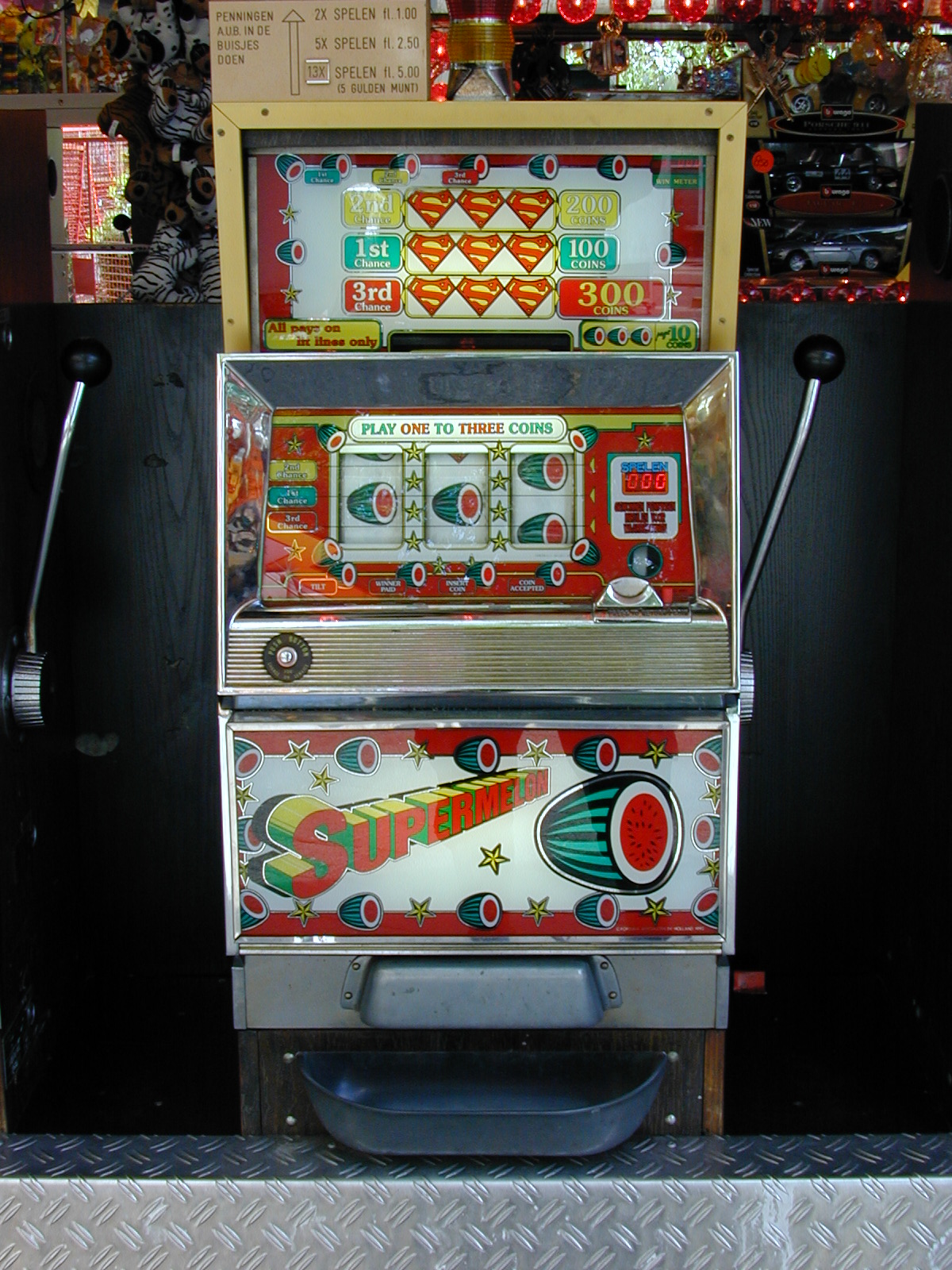
3. Renovation and Upgrades
Once a casino is purchased, buyers often invest in renovations and upgrades to enhance the property’s appeal and functionality. This could include refurbishing gaming floors, upgrading hotel rooms, enhancing dining options, and improving entertainment facilities. Renovation costs can vary widely, but a mid-sized casino might require an investment of $500,000 to $5 million or more to modernize its offerings.
4. Operational Costs
Owning and operating a casino involves ongoing expenses, including staffing, utilities, maintenance, freshbet and marketing. Staffing costs alone can be substantial, as casinos often employ hundreds of individuals across various roles. Annual operational costs can range from $3 million to $20 million, depending on the size and services offered by the casino.
5. Financial Projections and Return on Investment
Investors should conduct thorough financial analyses to project potential revenues and returns on investment (ROI). A well-managed casino can yield significant profits, often ranging from 10% to 30% of revenue. However, it is essential to consider market conditions, competition, and economic factors that could impact profitability.
6. Financing Options
Buyers may explore various financing options, including traditional bank loans, private equity, or partnerships. Interest rates and terms can significantly affect the overall cost of acquiring and operating a casino. Additionally, investors should be prepared for potential economic downturns, which can impact cash flow and profitability.
Conclusion
In summary, the cost of buying a casino encompasses a wide range of factors, from the initial purchase price to ongoing operational expenses. Prospective buyers must carefully evaluate their financial capabilities, market conditions, and regulatory requirements to make informed decisions. While the potential for high returns exists, the complexities and costs associated with casino ownership require thorough due diligence and strategic planning.